
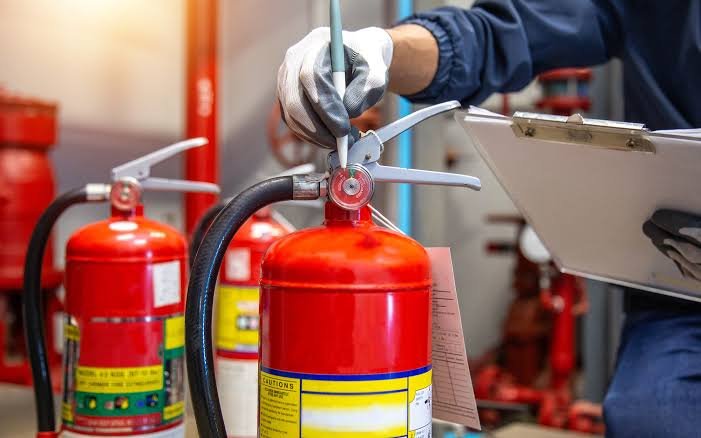
Renting commercial premises is a common choice for businesses in Pakistan. Small shops, offices, restaurants, workshops, clinics, and warehouses often operate from rented buildings because renting can offer flexibility and reduce the initial cost of setting up a business. However, renting a property does not remove the need to protect employees, customers, visitors, equipment, and stock from fire hazards.
A fire can interrupt business operations, damage valuable property, cause injuries, and affect neighbouring businesses. In a shared building, an incident in one rented unit may also put people in other units at risk. That is why fire safety should be considered before signing a rental agreement and throughout the period of occupancy.
For business tenants, fire safety involves checking the condition of the premises, understanding emergency exits, using electrical equipment responsibly, maintaining appropriate fire protection equipment, and agreeing with the landlord who will handle inspections and repairs.
A suitable Fire alarm system in Pakistan can also play an important role in protecting commercial premises by providing early warning when smoke or fire is detected. However, alarms work best when combined with clear evacuation routes, suitable firefighting equipment, maintenance, and staff training.
This guide explains why fire safety matters for business renters, what tenants and landlords should check, and how businesses can develop a practical fire prevention plan.
1. Why Fire Safety Matters for Rented Businesses
Businesses often focus on rent, location, utilities, customer access, and interior design when selecting a property. Fire safety deserves the same attention because unsafe conditions can affect both people and business continuity.
A fire may start because of faulty wiring, overheated equipment, unsafe cooking practices, careless storage, or an electrical fault. In a busy workplace, people may not notice the problem immediately. If warning systems are missing or exits are blocked, the situation can become more dangerous.
Fire safety helps businesses address several important concerns.
Protecting employees and customers: Staff, visitors, delivery workers, and customers should be able to receive a warning and leave safely during an emergency.
Reducing property damage: Early detection and appropriate response can help limit the consequences of a fire, although no system can guarantee that damage will be prevented.
Supporting business continuity: A serious incident may force a business to close temporarily, disrupt customer service, and damage stock or equipment.
Protecting neighbouring units: Fire and smoke can spread through shared corridors, staircases, service areas, and other building openings.
Supporting compliance: Businesses may need to meet applicable building, fire safety, workplace, licensing, or insurance requirements, depending on their location and type of operation.
Fire safety is therefore not simply a landlord’s concern. It is a shared priority for everyone who owns, manages, or occupies the property.
2. Understand the Fire Risks Before Renting a Property
Before signing a lease, businesses should inspect the premises and identify any visible concerns. A property that looks suitable for daily operations may still have problems involving electrical installations, escape routes, alarm equipment, or combustible storage.
The risks depend on the nature of the business. An office may have computers, printers, chargers, and electrical distribution equipment. A restaurant may use cooking appliances and fuel. A warehouse may contain large quantities of packaging, textiles, plastics, or other combustible materials.
During a preliminary inspection, look for:
- Clearly accessible entrances and emergency exits.
- Unobstructed corridors and staircases.
- Visible signs of damaged wiring or electrical fittings.
- Appropriate fire detection and warning equipment.
- Suitable firefighting equipment in accessible locations.
- Emergency lighting and exit signs where required.
- Safe storage arrangements for combustible materials.
- Clear information about the building’s evacuation procedure.
Do not assume that a property is safe merely because other businesses already operate there. Ask the landlord or property manager about previous inspections, available safety records, maintenance arrangements, and any outstanding concerns.
If a significant hazard is identified, arrange a suitable professional inspection before moving in or beginning operations. Serious defects should not be ignored simply because the premises are affordable or conveniently located.
3. Clarify the Responsibilities of the Landlord and Tenant
One of the most important steps in renting commercial premises is understanding who is responsible for different aspects of fire safety.
The landlord may be responsible under the lease or applicable rules for certain building systems, structural features, shared corridors, staircases, and common emergency arrangements. The tenant may be responsible for safe day-to-day operations, equipment within the rented unit, staff awareness, and keeping the unit’s exits clear.
However, these responsibilities are not identical for every property. They depend on the lease, the building arrangement, the type of occupancy, and applicable local requirements.
Before signing the agreement, discuss the following questions:
- Who arranges inspections of shared fire protection systems?
- Who pays for repairs or replacement of installed alarm equipment?
- Who maintains extinguishers and emergency lighting?
- Who is responsible for keeping shared exits and corridors clear?
- Who contacts the relevant authority when a serious defect is found?
- How should tenants report safety concerns?
- What happens if a fire safety system becomes unavailable?
Record the agreed arrangements in writing where appropriate. Do not rely solely on verbal promises about safety equipment or future repairs.
Tenants should also avoid making unauthorised changes to fire doors, alarm wiring, emergency exits, or other safety features. Any proposed alteration should be reviewed by the responsible property manager and qualified professionals.
4. Choose a Suitable Fire Alarm System
A fire alarm system helps warn people when a potential fire is detected or a manual alarm is activated. Early warning gives occupants an opportunity to begin evacuation before conditions become more dangerous.
The right arrangement depends on the property’s size, layout, occupancy, and fire risks. A small unit may have different needs from a multi-storey office, restaurant, retail building, or warehouse.
Businesses researching a Fire alarm system in Pakistan should understand the main components and how they work together.
Smoke and heat detectors
Smoke detectors identify smoke, while heat detectors respond to specified temperature conditions. The appropriate device depends on the environment and the expected fire risks. For example, areas where cooking vapours or dust are common may need careful detector selection to reduce unwanted alarms.
Manual call points
Manual call points allow someone who discovers a fire to activate the alarm. Their location and suitability should follow the approved system design and applicable requirements.
Audible and visual alarms
Sounders and visual notification devices help alert occupants. The arrangement should account for the building layout, background noise, and the needs of people who may not hear an audible warning.
Control panels and backup power
Larger systems may use a control panel to monitor connected devices and indicate faults. Appropriate backup power helps maintain system operation during a loss of normal electrical supply, where required by the design.
Professional installation and maintenance
A fire alarm should not be selected based on price alone. Equipment must be appropriate for the premises and installed, tested, and maintained according to the applicable standards, approved design, and manufacturer’s instructions.
The Building Code of Pakistan: Fire Safety Provisions 2016 addresses occupant notification and fire protection systems. Whether a particular rented property needs a specific system depends on factors such as its occupancy, size, layout, and the requirements enforced by the relevant authority.
Businesses should consult the relevant building control authority or fire safety professional instead of assuming that one alarm arrangement is suitable for every commercial property.
5. Inspect Electrical Installations and Business Equipment
Electrical equipment is a common part of everyday business operations. Computers, printers, refrigerators, lighting, machinery, chargers, and other devices may operate for many hours each day.
When equipment is damaged, improperly installed, or used beyond its intended capacity, it can create a fire hazard.
Tenants should inspect their work areas for visible problems, including damaged cords, broken plugs, loose fittings, discoloured sockets, and signs of overheating. Repeated circuit-breaker trips or burning smells should be investigated promptly by a qualified electrician.
Businesses should also:
- Use equipment according to manufacturer instructions.
- Avoid overloading outlets and extension leads.
- Keep electrical equipment away from water where appropriate.
- Maintain sufficient clearance around equipment that produces heat.
- Arrange repairs when faults are identified.
- Keep electrical panels accessible to authorised personnel.
- Ensure electrical alterations are performed by qualified professionals.
Do not attempt to repair exposed wiring or faulty electrical installations without appropriate training. If there is an immediate danger, stop using the affected equipment when safe and obtain professional assistance.
A landlord should be informed about defects involving the building’s electrical installation when those defects fall within their responsibility. Tenants should separately manage the safe use and maintenance of equipment they bring into the premises.
6. Keep Escape Routes and Emergency Exits Clear
An alarm can provide an early warning, but occupants must also have a safe way to leave the building. Escape routes should remain accessible during normal business operations, not just during an inspection.
Boxes, delivery goods, furniture, displays, and temporary storage can gradually obstruct corridors and exits. In rented shops and warehouses, the pressure to use every available area for stock can make this problem particularly important.
Inspect the premises regularly and confirm that:
- Exit doors can be opened as intended.
- Corridors and staircases remain unobstructed.
- Exit signs are visible where required.
- Emergency lighting is maintained where installed or required.
- Fire doors are not improperly wedged open.
- Staff can identify the nearest safe exit.
- Shared routes are kept clear by all occupants.
Businesses should never lock or block a required emergency exit in a way that prevents safe evacuation. Security arrangements should be reviewed to ensure they do not interfere with emergency escape.
In a multi-storey building, staff should understand the designated staircases and evacuation procedures. Lifts should not be used during a fire unless emergency personnel specifically direct otherwise.
If an escape route is blocked or an emergency door is defective, report the problem promptly to the landlord or building manager and take appropriate action to protect occupants.
7. Provide Suitable Firefighting Equipment
Appropriate firefighting equipment may be required depending on the building, business activity, and applicable safety provisions. Equipment should match the risks present and be maintained in usable condition.
Different types of fire extinguishers are designed for different fire classes. A suitable extinguisher for ordinary combustible materials may not be appropriate for every cooking, electrical, or industrial hazard.
Businesses should ask a qualified fire safety professional to assess which equipment is suitable for their premises. Equipment selection should consider the materials present, the location of hazards, the available escape routes, and the training of employees.
During routine checks, confirm that:
- Equipment is accessible and not hidden behind stock.
- Labels and operating instructions are legible.
- Inspection and servicing requirements are up to date.
- Equipment shows no obvious signs of damage.
- Staff know where it is located.
- The escape route remains available if the equipment cannot be used safely.
An extinguisher is not a reason to delay evacuation. Staff should only consider using one if the fire is small and contained, they have been trained, the correct equipment is available, and a safe escape route remains behind them.
If smoke spreads, the fire grows, or conditions become unsafe, occupants should evacuate and contact emergency services.
8. Develop a Fire Emergency Plan for Staff
Every business should have a clear plan for responding to an alarm or discovering a fire. Employees need to know what to do without waiting for a manager to explain the situation during an emergency.
A practical plan should identify:
- How to raise the alarm.
- Which exits and escape routes to use.
- Where employees and visitors should assemble.
- Who contacts emergency services.
- Who helps visitors understand the evacuation procedure.
- How the business accounts for staff after evacuation.
- How to report hazards and equipment faults.
The plan should be suitable for the actual workplace. For example, a restaurant may need to account for kitchen staff and customers, while a warehouse may need procedures for workers in storage areas or loading zones.
Train new employees during onboarding and provide refresher training when procedures change. Conduct appropriate evacuation exercises where suitable for the building and in accordance with applicable requirements.
Employees should know that personal belongings are not a priority during evacuation. No one should re-enter a building to retrieve a phone, documents, money, or stock.
Businesses should also consider people who may need additional help evacuating. Plans should provide practical arrangements without placing untrained employees in danger.
9. Store Stock and Waste Safely
The way a business stores products and waste can significantly influence fire risk. Paper cartons, packaging, fabrics, plastics, and other combustible materials can contribute to fire growth when stored carelessly.
Retailers should keep stock away from electrical panels, heat-producing equipment, and designated escape routes. Warehouses should follow suitable storage arrangements and avoid allowing goods to accumulate in corridors or near emergency equipment.
Offices should dispose of unnecessary paper and packaging regularly. Restaurants and workshops should manage waste in accordance with the hazards associated with their operations.
Businesses using flammable products or specialised materials may need additional controls, appropriate storage facilities, and professional advice.
Never assume that unused space is suitable for storage. Some areas may be needed for access, ventilation, electrical maintenance, or fire protection equipment.
A simple daily closing checklist can help employees identify blocked exits, improperly stored items, and equipment left operating when it should be switched off.
10. Maintain Records and Arrange Regular Inspections
Fire safety requires ongoing attention. Equipment that worked when the business first moved in may develop faults over time, while changes in staff numbers, stock levels, or room layouts can introduce new risks.
Keep records of inspections, maintenance visits, reported defects, staff training, and evacuation exercises. These records help the business track problems and demonstrate that safety concerns are being addressed.
The inspection schedule should reflect the building’s requirements, the manufacturer’s instructions, the type of equipment installed, and the recommendations of qualified professionals.
A basic record can include the date, area inspected, issue identified, action required, responsible person, and completion date.
If a fire alarm or another critical safety system develops a fault, notify the responsible person promptly. Follow professional advice and applicable procedures for managing the risk while repairs are arranged.
Do not assume that purchasing new equipment removes the need for regular testing and maintenance. A safety system must remain suitable and operational throughout the period of occupancy.
11. Understand Fire Safety Requirements in Pakistan
Pakistan’s fire safety requirements may depend on the province, city, building classification, use of the premises, and relevant local authority. Commercial tenants should therefore confirm the requirements that apply to their particular property.
The Building Code of Pakistan: Fire Safety Provisions 2016 provides a national technical reference covering areas such as occupant notification, means of egress, fire protection systems, and building safety. Local building regulations and authority-specific requirements may also apply.
For example, requirements for a small office may differ from those for a warehouse, shopping centre, restaurant, or multi-storey building. A change in the use of premises may also affect the fire protection measures required.
Before opening a business, tenants should ask the landlord or property manager about applicable approvals, inspection records, and fire safety certificates where required. They should also confirm whether the intended business activity is permitted under the property’s approved use.
Insurance policies may include safety-related conditions, so businesses should review their own policy documents and discuss any questions with their insurer.
This article is general information, not a legal determination for an individual property. The relevant authority or a qualified fire safety professional can help establish the specific requirements for a rented workplace.
Conclusion
Fire safety is an essential consideration for every business operating from rented premises. A suitable location and affordable rent are important, but they should never come at the expense of employee and customer safety.
Before moving in, businesses should inspect the premises, clarify responsibilities with the landlord, review electrical and storage risks, and confirm that emergency exits and required fire protection equipment are in suitable condition.
A properly selected and maintained fire alarm system can provide early warning, while staff training, clear escape routes, appropriate firefighting equipment, and regular inspections support a more complete safety plan.
For businesses exploring a Fire alarm system in Pakistan, the right solution depends on the property’s size, occupancy, layout, and applicable requirements. Professional assessment and ongoing maintenance are more valuable than choosing equipment based on price alone.
Ultimately, fire safety is a shared responsibility. Landlords, tenants, property managers, and employees all have a role in identifying hazards and maintaining safe working conditions. Taking these steps before an emergency occurs can help protect lives, property, and business continuity.
Frequently Asked Questions (FAQs)
1. Why is fire safety important for businesses renting commercial property?
Fire safety helps protect employees, customers, visitors, stock, and equipment. It also supports emergency preparedness, reduces avoidable hazards, and helps businesses address applicable building and workplace safety requirements.
2. Who is responsible for fire safety in a rented business premises?
Responsibility depends on the lease, the building arrangement, the type of business, and applicable regulations. Landlords may manage shared building systems, while tenants generally need to maintain safe operations within their premises. Both parties should clarify their responsibilities in writing.
3. Does every rented business need a fire alarm system in Pakistan?
Not every property has identical requirements. The need for a fire alarm system depends on factors such as occupancy type, building size, layout, applicable codes, and local authority requirements. Businesses should confirm the rules for their specific premises.
4. What fire safety checks should a business complete before renting a property?
Businesses should check escape routes, exit doors, visible electrical conditions, installed alarms, firefighting equipment, emergency lighting where applicable, and storage arrangements. Serious or technical concerns should be assessed by qualified professionals before operations begin.
5. How often should fire safety equipment be inspected?
The inspection and maintenance schedule depends on the equipment, manufacturer instructions, applicable standards, and local requirements. Businesses should keep maintenance records, report faults promptly, and arrange professional testing and servicing at the appropriate intervals.